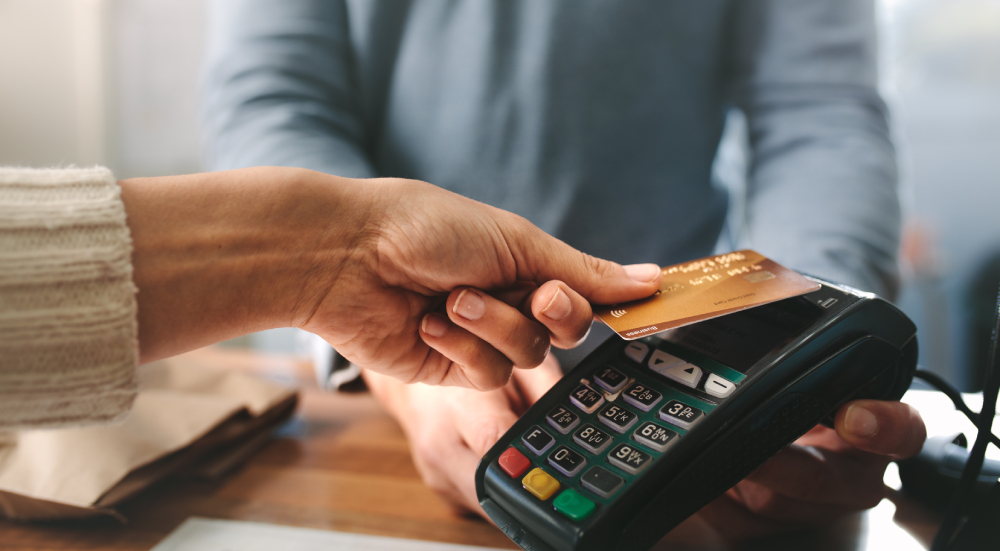
Your auto repair shop handles sensitive customer information every day—credit card details, personal data, and payment records. That makes your point of sale system a prime target for cybercriminals. One security breach could cost you thousands in fines, damage your reputation, and lose customer trust forever.
The good news? Point of sale security doesn’t have to be complicated. With the right approach, you can protect your customers’ data and your business without turning your shop into Fort Knox.
Why POS System Security is Essential for Auto Repair Shops
Here’s the uncomfortable truth: small businesses are increasingly targeted by cybercriminals because they often have weaker security measures than larger companies. Auto repair shops are particularly vulnerable because they process payments all day long, store customer information, and often don’t have dedicated IT staff.
A single data breach can be devastating. Beyond the immediate financial impact—which can include fines, legal fees, and remediation costs—you’ll face long-term damage to your reputation. Customers who discover their payment information was compromised at your shop aren’t likely to return.
But it’s not just about external threats. POS system security also protects against internal risks like employee theft or accidental data exposure. When you have proper security measures in place, you’re protecting your business from multiple angles.
The regulatory landscape is getting stricter too. Payment card industry standards require businesses to maintain certain security levels, and non-compliance can result in hefty penalties.
Key POS Security Standards and Features to Look For
When evaluating POS security standards, focus on these essential features that actually matter for auto repair shops:
- End-to-end encryption ensures that customer payment data is scrambled from the moment they swipe their card until it reaches the payment processor. Even if someone intercepts the data, they can’t read it.
- PCI DSS compliance isn’t just a nice-to-have—it’s required if you accept credit cards. This standard covers everything from how you store data to how you handle network security. Choose a POS provider that handles compliance for you rather than trying to manage it yourself.
- Tokenization replaces sensitive card data with unique tokens that are useless to criminals. Instead of storing actual credit card numbers, your system stores tokens that can only be decoded by authorized payment processors.
- Regular security updates are crucial. Cyber threats evolve constantly, and your POS system needs to keep pace. Look for providers that push automatic security updates rather than leaving you to manage them manually.
- User access controls let you limit who can access different parts of your system. Not every employee needs access to sensitive customer data or administrative functions.
How to Protect Customer Data with Your POS System
Protecting customer data goes beyond just choosing the right technology. How to protect customer data requires a combination of good systems and smart practices, including the following:
- Start with strong password policies. Default passwords are an open invitation to hackers. Require complex passwords and change them regularly. Better yet, use multi-factor authentication whenever possible.
- Train your staff properly. The most secure system in the world won’t help if your employees fall for phishing emails or leave terminals unlocked. Regular training on security best practices is essential.
- Limit data collection to what you actually need. Don’t store customer information just because you can. The less sensitive data you have, the less attractive you are to criminals and the smaller your liability if something goes wrong.
- Monitor your systems regularly. Set up alerts for unusual activity and review transaction logs periodically. The faster you detect a problem, the faster you can respond and limit the damage.
- Keep your software updated. This includes not just your POS system but also your operating systems, antivirus software, and any other applications that connect to your network.
Best Practices for Maintaining POS Security in Your Auto Shop
Maintaining POS security is an ongoing process, not a one-time setup. Here are the practices that successful auto repair shops follow to stay secure:
- Regular security audits help you identify vulnerabilities before criminals do. Schedule quarterly reviews of your security measures and update them as needed.
- Network segmentation isolates your POS system from other parts of your network. If someone gains access to your office computers, they shouldn’t automatically have access to your payment systems.
- Backup and recovery planning ensures you can get back to business quickly if something goes wrong. Regular backups of your data, stored securely and tested periodically, are essential.
- Vendor management matters more than you might think. Every third-party service that connects to your POS system is a potential entry point for attackers.
- Incident response planning prepares you for the worst-case scenario. Know who to call, what steps to take, and how to communicate with customers if a breach occurs.
The reality is that perfect security doesn’t exist, but good security practices make you a much harder target. Criminals typically look for easy opportunities, not well-protected businesses.
With Simpay’s automotive business solutions, security isn’t an afterthought—it’s built into everything we do. Our systems meet the highest industry standards while remaining simple enough for busy shop owners to manage.
Ready to secure your auto repair shop’s payment processing? Speak with an expert at Simpay and discover how proper POS security can protect your business and your customers.