Retail Businesses have many important moving parts, payment processing being one of them. But what is payment processing, and why is it so important for retail businesses? Understanding the key components of a retail payment system can help store owners optimize their operations and enhance customer experience.
What Does Payment Processing Really Mean for Retail?
When a customer purchases a product, their payment must be securely transferred to the retailer’s account. This is where payment processing comes in. It refers to the system that authorizes, verifies, and transfers funds during a retail transaction. Whether customers pay with credit cards, debit cards, or digital wallets, payment processing ensures transactions happen smoothly and securely.
Efficient payment processing is essential for customer satisfaction. It helps retailers prevent fraud, reduce errors, and provide multiple payment options. Without a robust system, businesses risk lost sales and frustrated customers.
How Does Payment Processing Work?
Understanding how payment processing works can help retailers make informed choices about their payment infrastructure. The process generally follows these steps:
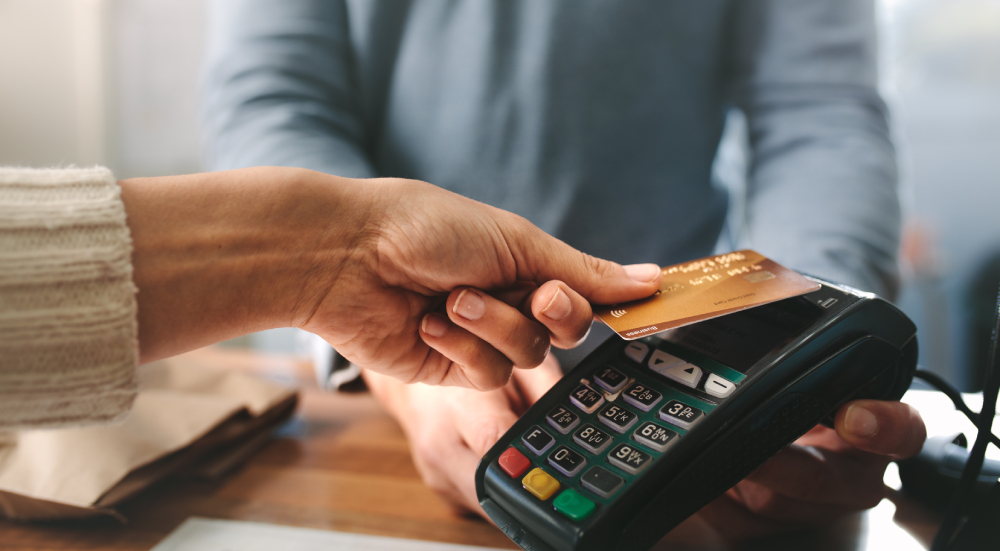
- Customer Initiates Payment – The customer presents their payment method (card, mobile payment, etc.) at the point of sale.
- Transaction Request Sent – The retailer’s system sends the transaction details to a payment gateway.
- Authorisation – The gateway forwards the request to the customer’s bank or card network for authorization.
- Approval or Decline – The bank checks the customer’s balance or credit limit and approves or declines the transaction.
- Funds Transfer – Once approved, the funds are transferred from the customer’s account to the retailer’s.
- Transaction Completed – The retailer receives confirmation, and the customer gets their receipt. This process happens in just a few seconds, ensuring fast and secure transactions for both parties.
Key Components of a Retail Payment System and Their Differences
Several elements work together to ensure efficient payment processing. Each plays a distinct role in the transaction process. They include:
Retail Payment Processor
A retail payment processor is the middleman between the retailer, customer, and financial institutions. It manages transaction approvals, fund transfers, and security checks. Processors also handle chargebacks, refunds, and compliance with financial regulations. Choosing a reliable payment processor is crucial to avoiding transaction delays and fraud risks.
Retail Payment Gateway
A retail payment gateway is a technology that securely transmits payment information between the point-of-sale system and the payment processor. It encrypts sensitive data to protect against fraud. Unlike payment processors, which handle fund transfers, the gateway ensures the security and speed of data transmission.
Point-of-Sale System for Retail
A point-of-sale (POS) system for retail is the hardware and software combination that enables transactions. It can include:
- Physical terminals (card readers, barcode scanners, receipt printers)
- Software for inventory tracking, sales analytics, and customer management
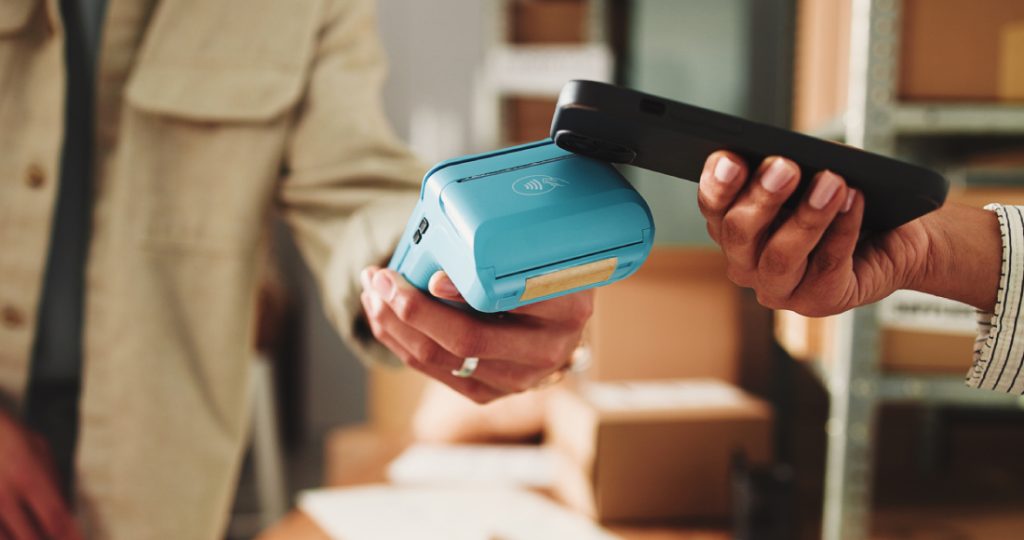
- Contactless payment support for mobile wallets and tap-to-pay solutions
A modern POS system enhances operational efficiency and provides valuable insights into sales trends.
Payment Service Providers
Payment service providers (PSPs) offer all-in-one solutions by bundling payment processing, gateways, and POS systems. They simplify payment management by handling everything from transaction authorization to fraud prevention. PSPs cater to businesses of all sizes, offering flexible pricing and integration options.
Streamline Your Retail Transactions with the Right Payment Processing Solution
Understanding payment processing is essential for any retail business looking to enhance its customer experience and operational efficiency. By choosing the right retail payment processing provider, retail payment gateway, and point-of-sale system, businesses can ensure secure and seamless transactions.
If you’re looking for reliable and efficient online payment processing, in person payment processing, or mobile payment processing solutions, Simpay offers comprehensive services tailored to retail needs. Speak with an expert today to find the perfect fit for your business!