Efficient retail payment processing is essential for businesses providing seamless transactions while ensuring security and compliance. Whether a retailer operates a brick-and-mortar store or an online shop, understanding the key aspects of payment processing can help streamline operations, reduce costs, and improve the customer experience.
This guide explores the essential components of payment processing in retail, from in-person payment processing to online processing solutions, security measures, and cost-saving strategies.
What Is Payment Processing in Retail? Concepts & Components
Retail payment processing refers to the system enabling businesses to accept customer payments safely and efficiently. Whether a customer swipes a credit card at a checkout counter, taps a mobile payment solution, or enters their details for an online purchase, every transaction follows a structured process to ensure the secure movement of funds.
Retailers must understand how payment processing works to optimize transactions, reduce costs, and provide a frictionless shopping experience. Choosing the right point-of-sale system and online processing solutions is crucial for maintaining efficiency and security in today’s retail landscape.
3- Key Components of Payment Processing
Successful retail payment processing involves several critical steps ensuring secure, fast, and reliable transactions. Below are the essential components of the process:
1. Customer Payment Initiation
The payment process begins when a customer provides their payment details. This can be done through various methods, including:
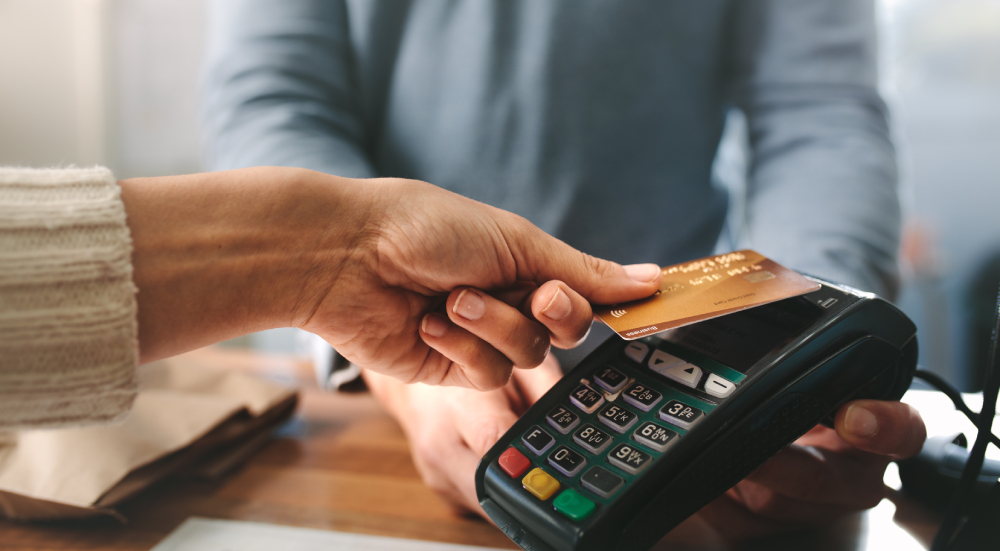
- In-Person Payment Processing – Customers insert, swipe, or tap their card at a point of sale system (POS) for physical store purchases.
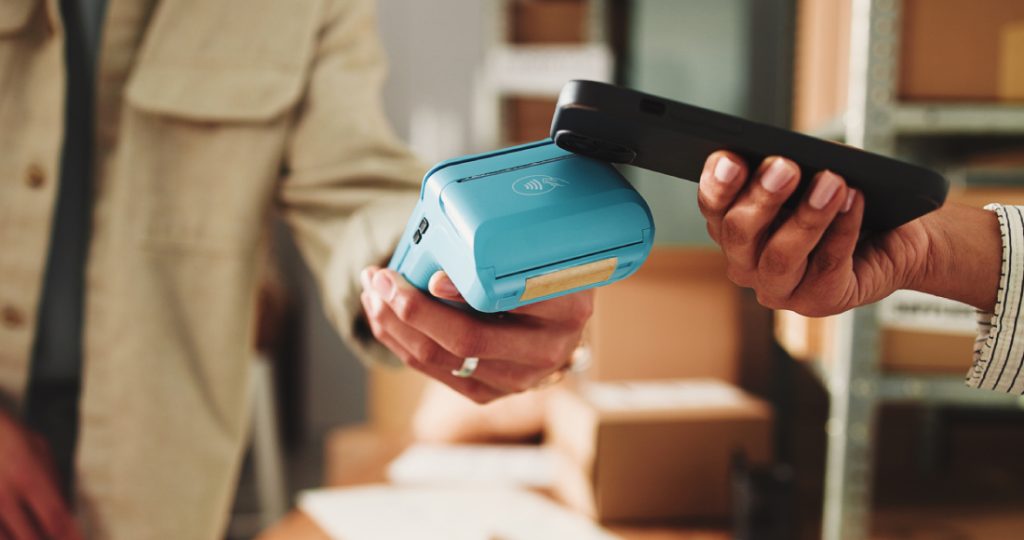
- Mobile Payment Solutions—Digital wallets like Apple Pay, Google Pay, and Samsung Pay allow quick, contactless NFC (Near Field Communication) payments.
- Online Processing Solutions – eCommerce customers enter payment details for secure online transactions.
- Alternative Payment Methods – Some retailers offer flexible options such as Buy Now, Pay Later (BNPL), bank transfers, and cryptocurrency payments.
Regardless of the method, transactions must be processed quickly and securely to protect customer data while ensuring a smooth checkout experience.
2. Payment Authorization
Once the payment is initiated, it must be authorized. This step verifies the transaction’s validity and ensures the customer has sufficient funds or credit availability. The process includes:
- The payment processor sends a request to the customer’s bank or card network (Visa, Mastercard, AMEX, etc.).
- The issuing bank verifies the transaction, checking for available funds or credit limits.
- Fraud prevention tools such as Address Verification Service (AVS), multi-factor authentication, and AI-based fraud detection to prevent unauthorized transactions.
If the payment is approved, authorization is returned to the retailer, allowing the transaction to proceed. If declined, the customer will need to use an alternative payment method.
3. Funds Transfer & Settlement
Once a transaction is authorized, funds need to be transferred and settled:
- The issuing bank (customer’s bank) transfers the payment to the acquiring bank (merchant’s bank).
- The acquiring bank deposits the funds into the retailer’s business account.
- Settlement times vary, typically taking 1-3 business days, but some merchants use instant settlement solutions for faster access to funds.
Ensuring a seamless funds transfer process is crucial for maintaining a healthy cash flow and minimizing revenue collection delays.
4. Security & Compliance
Retailers must prioritize security and compliance in payment processing operations to protect their business and customers. This includes:
- PCI Compliance (Payment Card Industry Data Security Standard) – Ensuring businesses securely handle cardholder data.
- Encryption & Tokenization – Converting sensitive payment data into secure digital formats to prevent fraud.
- Fraud Prevention Tools – AI-driven fraud detection, chargeback protection, and real-time transaction monitoring to safeguard transactions.
By implementing strong security measures, retailers can reduce fraud risks, maintain customer trust, and ensure compliance with industry regulations.

Payment Gateway vs. Payment Processor in Retail
Retailers often ask about the difference between a payment gateway and a payment processor when setting up their transaction systems. While both are essential, they serve different roles in securing and finalizing transactions.
What Is a Payment Gateway?
A payment gateway is a secure technology that transmits payment data between the customer, merchant, and financial institutions. It bridges the point of sale and the payment processor, encrypting sensitive information to prevent fraud and data breaches.
Payment gateways are essential for eCommerce transactions but are also used in physical stores through POS systems.
How Payment Gateways Work
- The customer enters their card details online or taps/swipes their card at a POS terminal.
- The payment gateway encrypts transaction details to secure sensitive data.
- The gateway transmits the encrypted data to the payment processor for approval.
- If approved, the payment gateway sends confirmation to the retailer and customer.
Benefits of Payment Gateways
- Enhanced Security – Encryption and tokenization protect customer data.
- Faster Authorization – Reduces delays in verifying transactions.
- Fraud Protection – Helps detect and prevent unauthorized payments.
- Seamless eCommerce Integration – Easily connects with online shopping platforms.
What Is a Payment Processor?
A payment processor handles the entire transaction from authorization to settlement. It communicates with banks, card networks, and merchants to facilitate fund transfers.
How Payment Processors Work
- The payment processor receives the transaction request from the payment gateway.
- It forwards the request to the issuing bank (customer’s bank) for verification.
- If the payment is approved, the processor informs the merchant and moves the funds to the acquiring bank.
- The acquiring bank then deposits funds into the retailer’s account within a set timeframe.
Benefits of Payment Processors
- Handles multiple payment methods – Accepts credit/debit cards, mobile payments, and alternative payment options.
- Manages security and compliance – Ensures adherence to PCI standards and fraud protection.
- Speeds up transaction settlements – Enables quick fund transfers to retailers.
- Reduces operational costs – Helps businesses optimize transaction fees and processing expenses.

Choosing the Right Payment Processing Solution for Your Business
Choosing the right payment processing system is crucial for streamlining transactions, improving customer experience, and maintaining financial security. Retailers should consider:
- Integration with existing POS systems – Ensuring seamless checkout experiences.
- Transaction fees and costs – Evaluating pricing structures for affordability.
- Security features – Protecting customer data against fraud.
- Payment flexibility – Supporting various payment methods, including contactless and digital wallets.
By choosing a reliable payment gateway and processor, retailers can enhance their payment acceptance capabilities while keeping transactions secure and efficient.
What Are the Different Types of Payment Methods for Retail?
Retailers must offer multiple payment options to accommodate customer preferences and maximize sales. Here are the most common payment methods in retail:
- Credit & Debit Cards – The most widely accepted form of payment, requiring a point-of-sale system for secure transactions.
- Mobile Payments – Digital wallets like Apple Pay and Google Pay allow contactless transactions.
- Cash Transactions – While decreasing in popularity, cash remains a preferred option for some customers.
- Buy Now, Pay Later (BNPL) – Services like Afterpay and Klarna let customers split purchases into installments.
- Gift Cards & Store Credit – Many retailers offer branded gift cards for convenience and customer loyalty.
Retailers can streamline the checkout experience and reduce transaction friction by implementing mobile payment solutions and digital wallets.
Retail Payment Security: Key Types of Online Security
As cyber threats increase, securing retail payment processing is more critical than ever. Retailers must use multiple security layers to protect transactions from fraud and data breaches.
1. Encryption & Tokenization
- Encryption converts payment data into a secure format to prevent hacking.
- Tokenization replaces card details with unique tokens, reducing fraud risks.
2. Secure Payment Gateways
- Payment gateways ensure encrypted transactions, keeping sensitive customer information safe.
3. Multi-Factor Authentication (MFA)
- MFA adds extra security by requiring additional verification beyond card details.
4. PCI Compliance
- Retailers must follow PCI compliance guidelines to safeguard payment data.
By implementing these security measures, businesses can ensure secure payments
while maintaining customer trust.
Credit Card Payment Processing Fees and How to Minimize Them
Retailers incur various payment processing fees when accepting card transactions. Understanding these fees helps businesses manage costs effectively and improve profitability. Companies can reduce unnecessary expenses by strategically offering customers a seamless and convenient payment experience.

Types of Credit Card Processing Fees
Several fees contribute to the overall cost of accepting credit card payments. These include:
- Interchange Fees – Set by major card networks (Visa, Mastercard, etc.), these fees are paid to the issuing banks and typically account for the most significant portion of processing costs. They vary based on transaction type, card type, and industry.
- Payment Processor Fees – These are charges from the service provider that facilitates transactions. Fees may include per-transaction costs, monthly service fees, and additional charges for premium features like fraud protection or PCI compliance.
- Assessment Fees – Imposed by card networks, smaller fees are added to every transaction and vary depending on the card brand.
- Chargeback Fees – Merchants may incur chargeback fees when a customer disputes a transaction and requests a refund. Excessive chargebacks can lead to higher processing rates and additional penalties.
How to Minimize Payment Processing Fees
New business strategies must be combined with the correct payment solutions to lower processing fees. This is the method for store owners to reduce expenses:
Select the Appropriate Payment Processing Scheme—Collaborate with a supplier that offers competitive prices, adaptable pricing structures, and customized solutions suitable for your business scale and area of trade.
Apply a Surcharging Scheme—Balance costs by transferring some of the processing charges to credit card users. Make certain that you are in accordance with state legislation and card network rules.
Utilize a Double Price Strategy – Provide reductions for cash to encourage customers to make payments using cash, thereby decreasing total expenses related to card processing.
Avoid Extra Costs—Certain service providers apply hidden charges, such as statement charges, batch charges, or penalties for not following rules. Teaming up with an open and clear processor helps eliminate these additional expenses.
Handle Chargebacks Efficiently – Lower chargebacks through clear transaction policies, utilization of fraud prevention instruments, and top-notch customer care to sort out disputes before escalation.
Companies can significantly reduce the expenses of managing payments by using these methods to save on costs. At the same time, they can keep a seamless and pleasing checkout process for customers.
How To Choose a Payment Processor for Your Retail Store
Selecting a good payment processor is essential to ensuring that transactions are safe, smooth, and not too costly. Shop owners must remember these points as they choose their processor.
1. Transaction Fees & Pricing Models
Compare flat-rate, interchange-plus, and tiered pricing to find the most cost-effective solution.
2. Payment Method Support
Ensure compatibility with credit/debit cards, mobile wallets, and alternative payment methods.
3. Security & Compliance
Look for PCI-compliant processors with fraud detection and data encryption.
4. POS & System Integration
Choose a processor that works with your point-of-sale system for streamlined operations.
5. Customer Support & Reliability
Opt for a processor with 24/7 support to handle transaction issues.
Be cautious not to commit common mistakes, like choosing a processor just due to its price, ignoring the terms of contracts, or neglecting security features.
Optimize Retail Payment Processing with Simpay
Successful retail depends heavily on efficient payment processing. It helps facilitate smooth transactions, lower charges, and increase security. Whether your shop requires face-to-face payment processing, online payment solutions, or a mobile payment option, choosing the correct provider is very important.
Speak with an expert at Simpay to investigate tailored payment strategies that can help your retail business prosper.