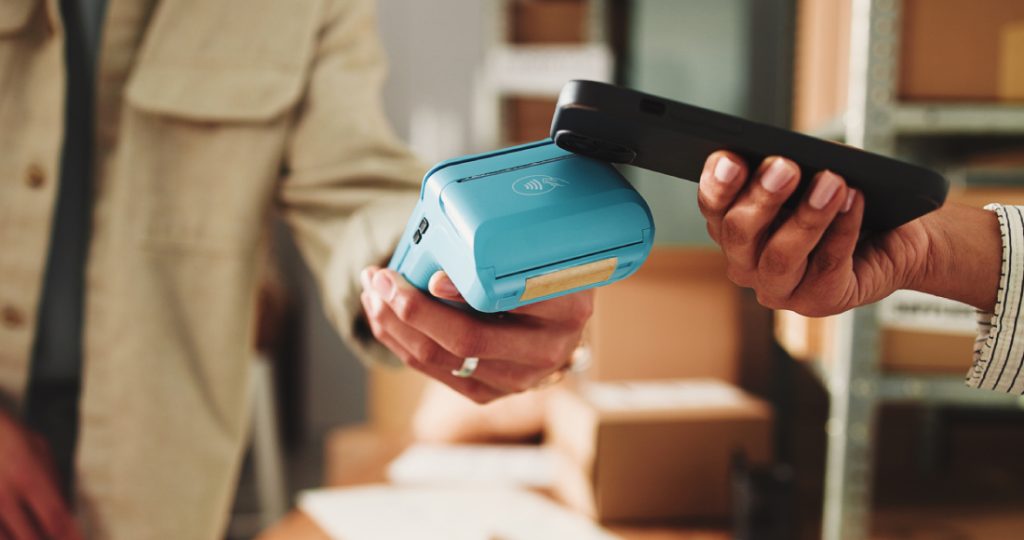
If your business accepts credit or debit card payments, you may ask: who needs PCI compliance? The short answer is simple. Any business that handles cardholder data must follow PCI compliance rules.
That includes retail stores, restaurants, auto repair shops, and service providers. Even a small shop with one point of sale system must meet these requirements.
PCI compliance protects cardholder data. It also protects your business from fines, fraud claims, and damaged customer trust. If you accept card payments, understanding who needs PCI compliance should be a priority.
This blog explains what PCI compliance is, who is required to be PCI compliant, and what happens if you ignore these rules.
What Is PCI Compliance and Why Was It Created?
You may wonder: what is PCI compliance and why does it exist?
PCI compliance refers to the Payment Card Industry Data Security Standard, often called PCI DSS. Major card brands created this standard in 2006. That group includes Visa, Mastercard, American Express, Discover, and JCB.
The goal is simple. Protect cardholder data during payment transactions.
PCI compliance requires businesses to follow security practices such as:
- Protect cardholder data during payment processing
- Use secure networks and systems
- Restrict access to payment data
- Monitor systems for suspicious activity
- Maintain secure payment hardware and software
These rules apply whether you accept payments in person, online, or over the phone.
Many businesses meet these standards through secure payment tools. For example, a modern point of sale system can help encrypt card data and reduce risk.
Companies that provide payment solutions for small businesses often include tools that support PCI compliance. That reduces the technical work for business owners.
Who Is Required to Be PCI Compliant?
A common question is: who is required to be PCI compliant?
Any organization that stores, processes, or transmits cardholder data must follow PCI compliance rules. The requirement does not depend on company size.
Businesses that must meet PCI compliance include:
- Retail stores that accept credit or debit cards
- Restaurants using a point of sale system
- Online stores processing digital payments
- Service providers that charge cards for appointments
- Automotive shops offering card payments for repairs
For example, an auto repair shop using automotive business solutions that accept credit cards must follow PCI compliance rules. The same applies to boutiques using retail business solutions or restaurants processing card payments at checkout.
If your system accepts card payments in any way, PCI compliance applies to you.
Many providers, including Simpay, help businesses manage secure payment processing. That reduces the risk of handling card data incorrectly.
Is PCI Compliance Required For Small Businesses?
Some owners assume PCI compliance only applies to large companies. That is not correct.
So, is PCI compliance required for small businesses?
Yes. PCI compliance applies to any business that accepts card payments. Even a small shop with one payment terminal must follow these standards.
Small businesses often face higher risk during data breaches. Many lack dedicated IT staff or security monitoring tools.
According to Verizon’s Data Breach Investigations Report, small businesses face a large share of payment related cyber attacks. Criminals often target them because they expect weaker security controls.
That makes PCI compliance important for small operations such as:
- Independent retail shops
- Local restaurants
- Service providers
- Auto repair businesses
Using secure payment solutions for small businesses can reduce risk. Many modern payment platforms include encrypted transactions, secure card readers, and automatic updates.
These tools help small businesses meet PCI compliance requirements without building their own security systems.
What Happens If You Are Not PCI Compliant?
Some owners delay PCI compliance because they believe enforcement is rare. That approach can create serious problems.
So what happens if you are not PCI compliant?
The consequences may include:
- Fines from payment processors or card brands
- Higher transaction fees
- Liability for fraud losses after a breach
- Loss of the ability to accept credit cards
Fines for PCI violations can range from five thousand to one hundred thousand dollars per month. The penalties often pass from card brands to the payment processor and then to the business.
Non compliant businesses also face reputational damage. If a breach exposes customer payment data, customers may stop trusting your business.
A secure payment setup reduces these risks. That includes using a reliable point of sale system and working with providers that help manage PCI compliance.
Providers such as Simpay support businesses with secure payment tools and compliance guidance. If you are unsure about your compliance status, it helps to review your payment setup with a specialist.
PCI compliance protects both your customers and your business. If you accept card payments, the question is simple. Who needs PCI compliance? Any business that processes card payments must follow these standards.
If you want help reviewing your payment setup, speak with an expert at Simpay to learn how secure payment solutions can support your business and help maintain PCI compliance.